Transform Your Kitchen, Transform Your Health
Discover the power of whole food cooking. Learn science-backed techniques to prepare nourishing meals that support your wellness journey. Explore recipes, tips, and insights from our editorial experts dedicated to helping you cook smarter.
The information on this site is for educational purposes only and does not constitute medical advice. Always consult a qualified healthcare professional before making health decisions.
Seasonal Produce Spotlight
Understanding seasonal eating connects you to nature's rhythms and delivers maximum nutritional benefits. Learn which ingredients are at their peak right now in Germany.
Spring Greens & Herbs
Early spring brings tender lettuces, fresh spinach, and aromatic herbs like parsley and chives. These vibrant greens are rich in minerals and perfect for light salads, smoothies, and fresh sauces. Discover how to select and store these delicate leaves for maximum freshness.
Read spring recipes →Summer Stone Fruits
Peaches, apricots, and plums reach their peak sweetness in summer months. These fruits provide natural sugars, fiber, and protective compounds. Learn preservation techniques like gentle cooking methods that honor their delicate flavors while extending their season.
Explore summer cooking →Autumn Squashes & Root Vegetables
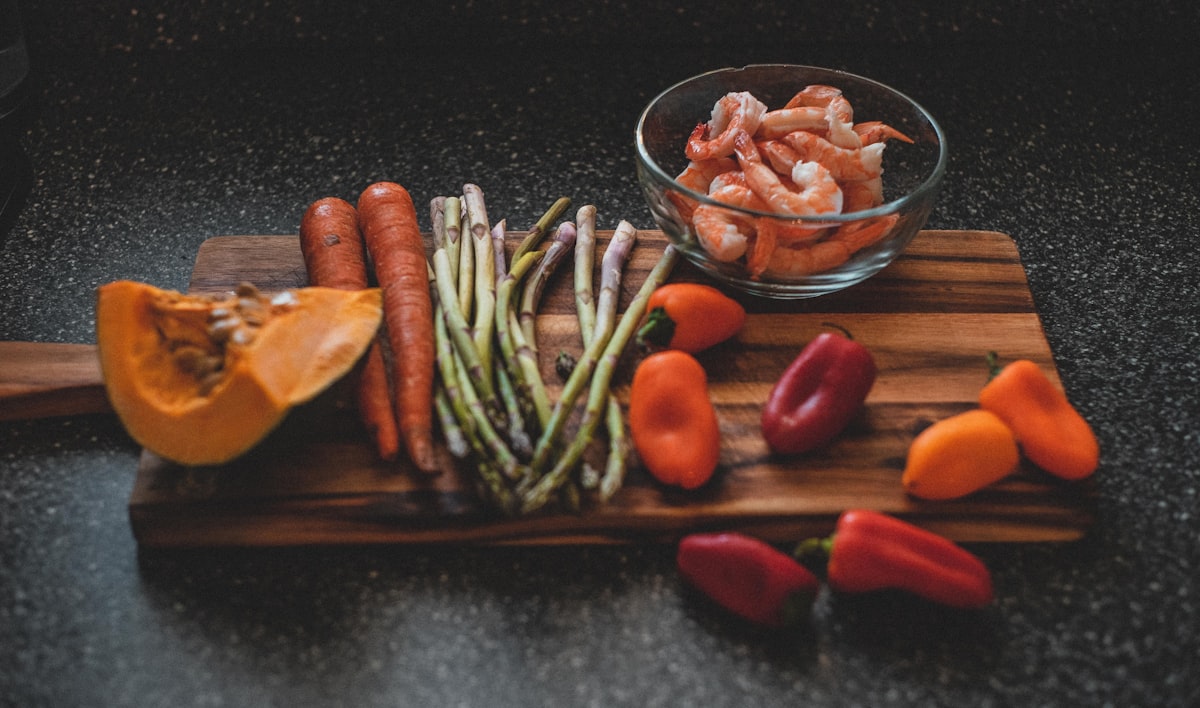
As days shorten, root vegetables and winter squashes come into season with deep flavors and dense nutrition. Pumpkins, beets, and turnips are ideal for hearty soups, roasting, and comfort cooking. Understand how these ingredients support your body through cooler months.
Browse autumn recipes →From Farm to Plate Methodology
Our approach emphasizes quality ingredient selection, mindful preparation, and cooking techniques that preserve nutritional integrity. Here's how to apply these principles in your own kitchen.
Source Quality Ingredients
Begin with the freshest whole foods available. Shop at farmers markets, connect with local producers, and learn to recognize signs of quality. Understanding seasonality guides you toward ingredients at peak flavor and nutrition.
Prepare Mindfully
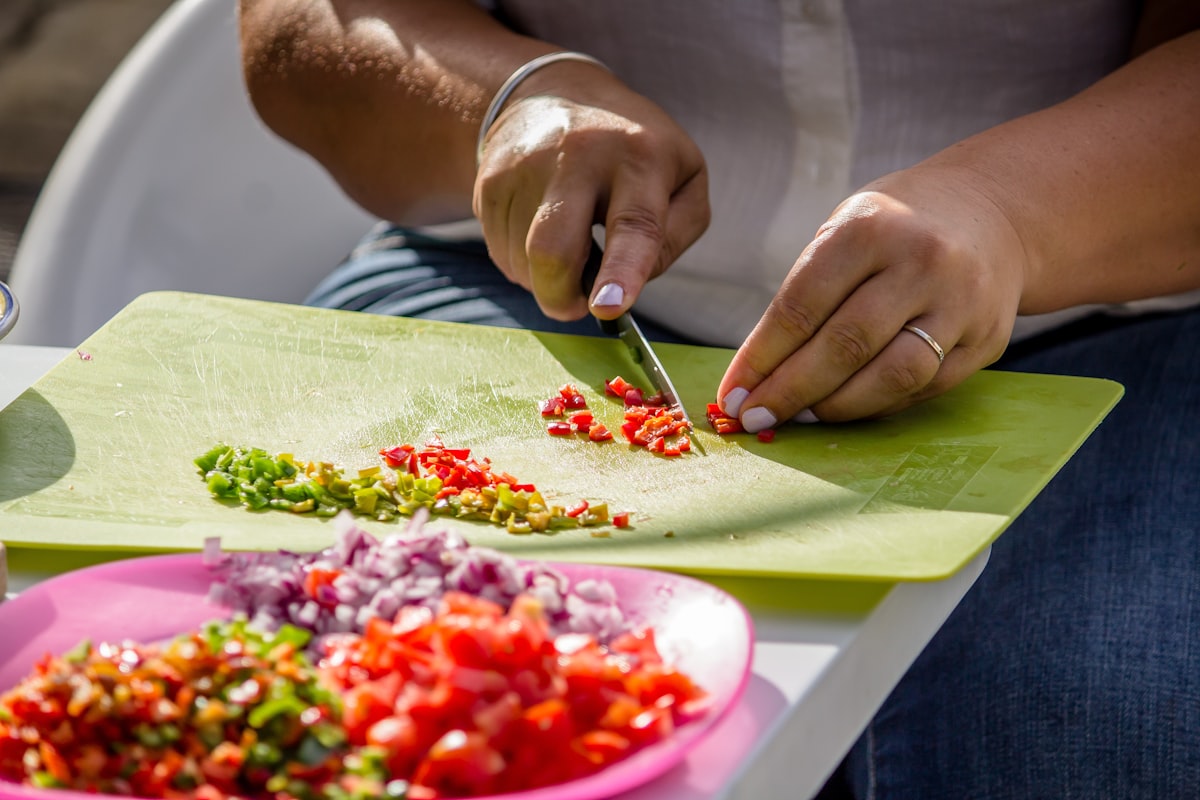
Proper washing, cutting, and prep techniques matter. Learn knife skills that minimize nutrient loss and presentation methods that make whole foods visually appealing. Mindful preparation deepens your connection to your food.
Cook with Intention
Select cooking methods that honor ingredient integrity. Gentle steaming, slow roasting, and raw preparation each have their place. Understand how different techniques affect flavor, texture, and the nutritional profile of your meals.
Why Whole Foods Matter
Whole foods—unprocessed or minimally processed—contain the full spectrum of nutrients nature intended. Unlike refined products, they deliver fiber, vitamins, minerals, and protective plant compounds that work synergistically to support your body's natural functions.
Complete Nutrition
Whole foods provide balanced macronutrients and micronutrients in forms your body recognizes and uses efficiently.
Sustained Energy
Natural fiber and complex structures slow digestion, providing steady energy without blood sugar spikes.
Better Taste
When you cook with quality whole foods, flavors are vibrant and satisfying, making healthy eating genuinely enjoyable.
Culinary Skills
Working with whole ingredients teaches you cooking fundamentals that last a lifetime and adapt to any cuisine.
Recipe Inspiration Showcase
Browse our collection of accessible, flavorful recipes designed around whole food principles. Each recipe includes detailed ingredient notes and cooking technique explanations.
Mediterranean Vegetable Soup
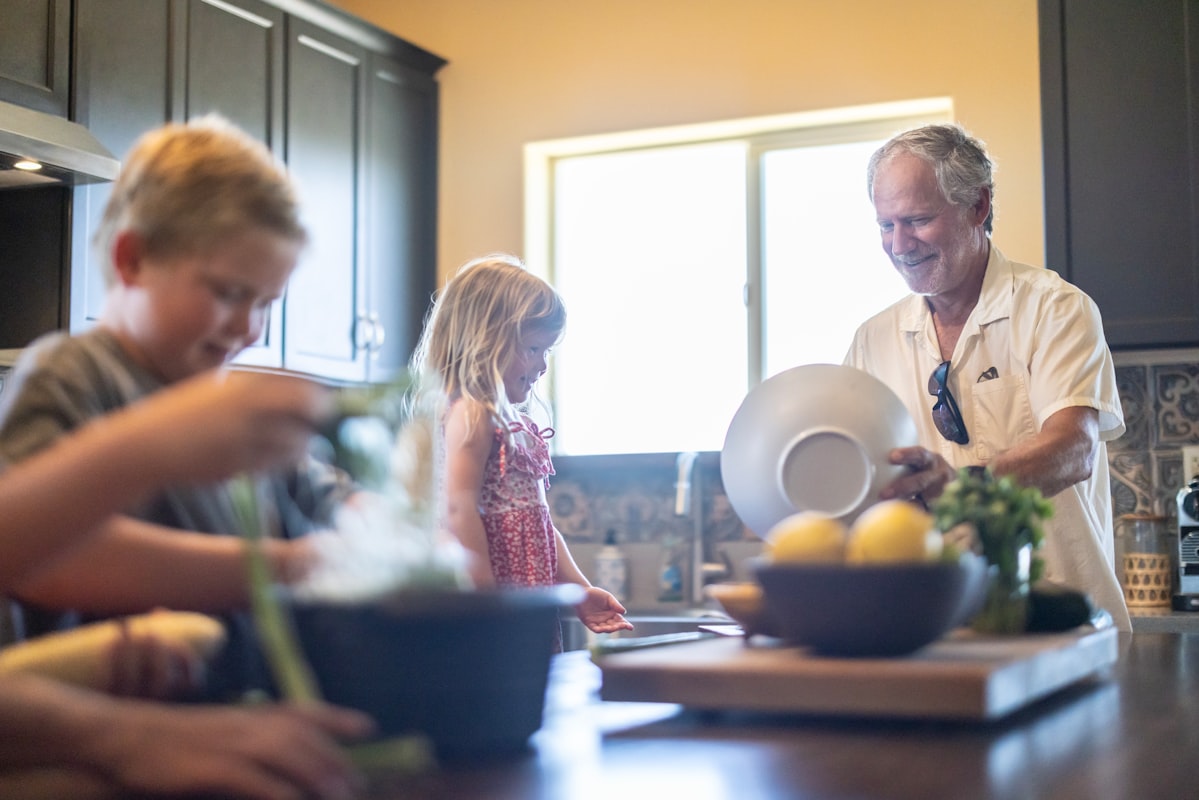
A traditional approach to seasonal vegetables, slow-simmered to develop deep flavors. Learn how simple ingredients combine to create satisfying, nourishing bowls.
Whole Grain Power Bowls
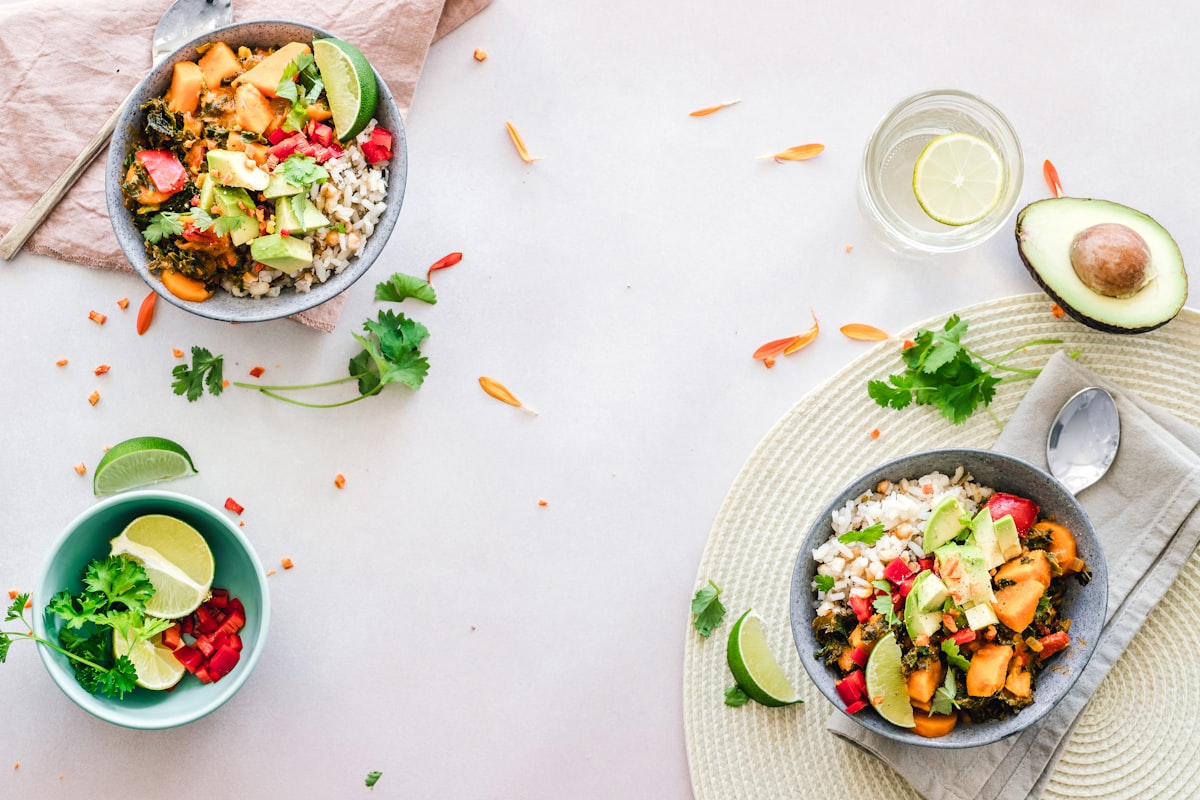
Build balanced meals with ancient grains, roasted vegetables, and plant-based proteins. Discover composition principles for nutritionally complete dishes.
Seasonal Herbal Infusions
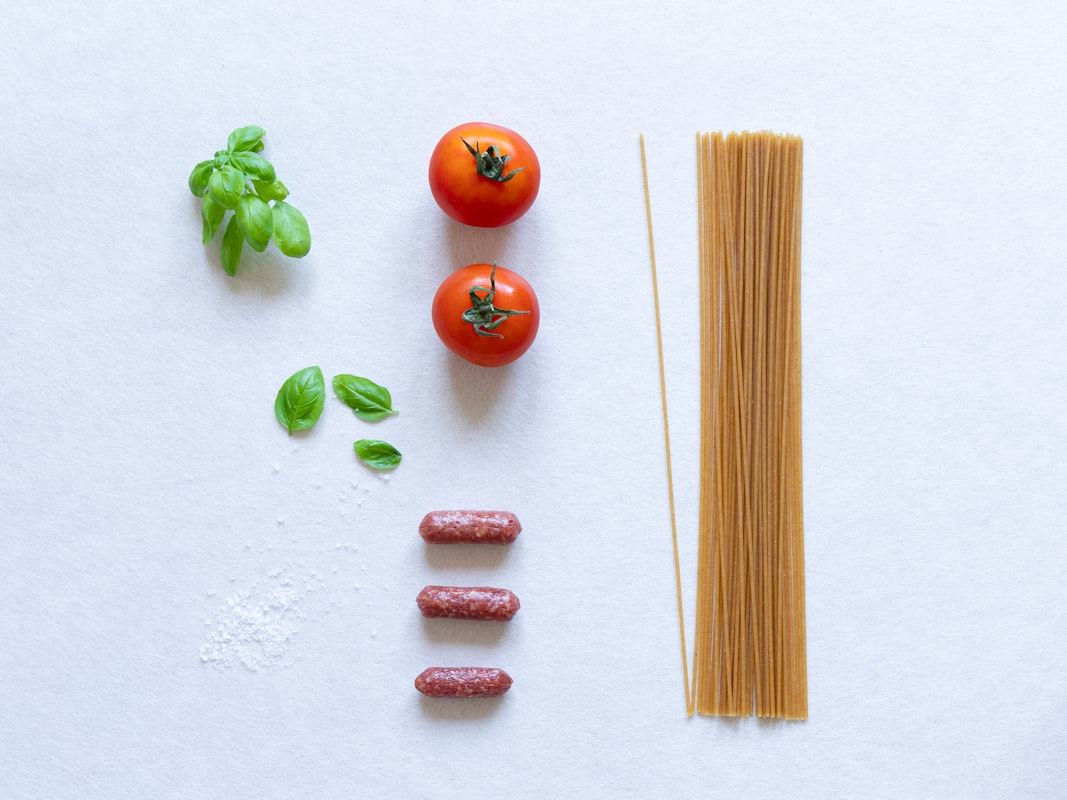
Explore how to prepare fresh herbal teas using whole plant materials. Learn which herbs pair well together and how to infuse maximum flavor and aroma.
Simple Roasted Vegetables
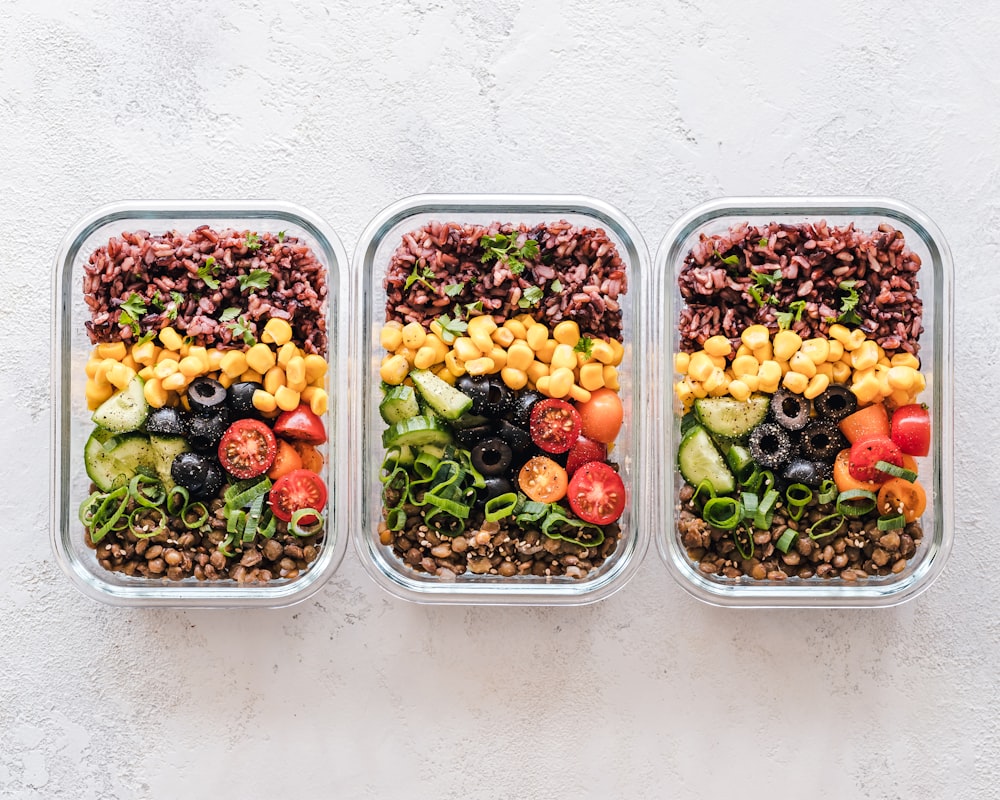
Master the basics of oven roasting to bring out natural sweetness in vegetables. Learn temperature, timing, and seasoning strategies for perfect results.
Plant-Based Protein Dishes
Cook with beans, lentils, and legumes to create complete, satisfying meals. Discover preparation methods that improve digestibility and flavor.
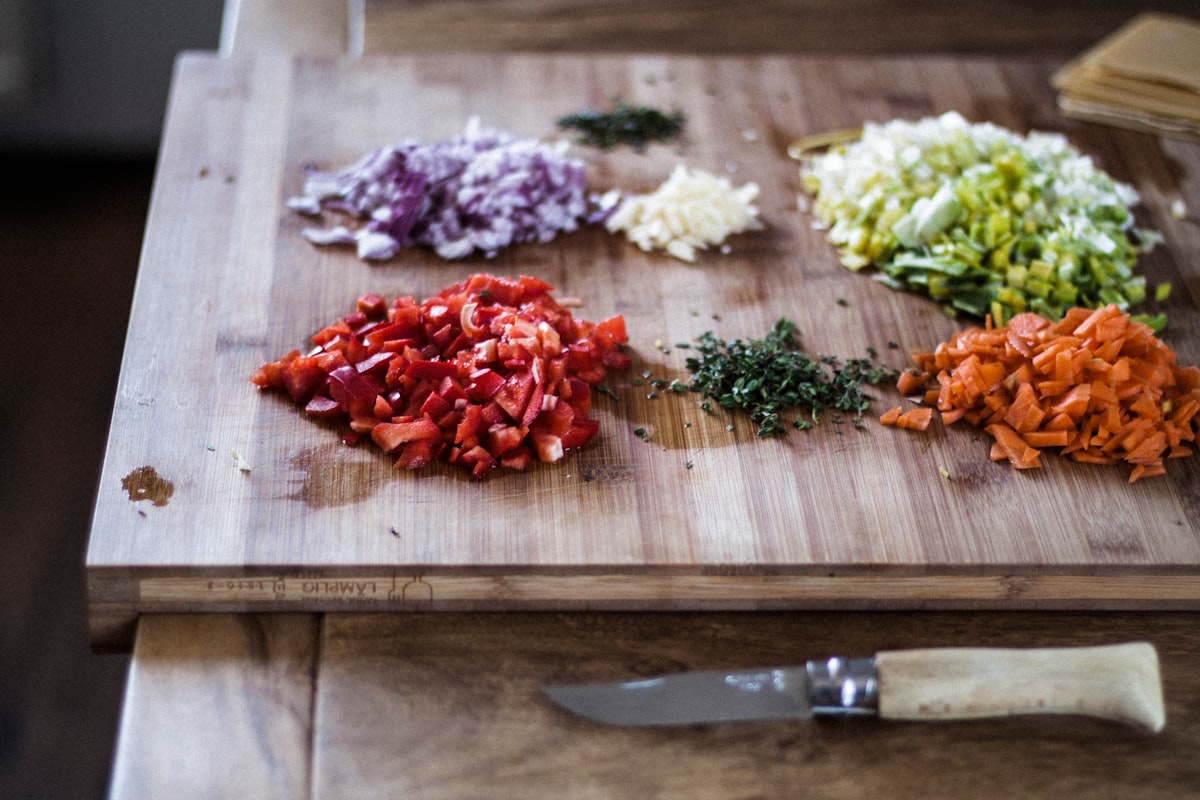
Whole Food Desserts
Create naturally sweet treats using whole ingredients like fruits, nuts, and whole grains. Learn baking techniques that honor simple, clean flavors.
Real Stories from Our Community
Read how our readers have applied whole food cooking principles to their daily lives and kitchens. These testimonials reflect real experiences from across Germany.
I started following the seasonal ingredient guides about six months ago, and cooking has become genuinely enjoyable again. The detailed technique articles helped me understand why certain methods work, not just how to follow a recipe. My energy levels have improved, and I'm saving money by shopping smarter. The community aspect makes you feel like you're part of something meaningful.
Sarah Müller
Berlin
As someone who has struggled with meal planning, the farm-to-plate methodology completely changed how I approach food shopping and cooking. The articles explain the science behind whole foods in a way that's accessible but not oversimplified. I've introduced my kids to cooking whole ingredients, and they actually enjoy it. Best resource I've found online.
Marcus Wagner
Munich
The whole food cooking approach helped me rediscover flavors I thought I'd lost. The knife skills tutorials alone are worth subscribing for, but the seasonal guides are what keep me coming back. I've never felt better, and it feels sustainable because I'm not restricting myself—I'm just eating smarter. The recipes are practical and achievable, even on weeknights.
Petra Hoffmann
Düsseldorf
What sets this apart is the transparency and depth. The articles explain exactly why we should prefer whole foods and how different cooking techniques affect nutrition. I appreciate that there's no fear-based messaging—just clear, evidence-based information. I've learned more about nutrition by reading these articles than I did in years of vague diet trends online.
Klaus Bauer
Frankfurt
Common Questions Answered
Explore answers to frequently asked questions about whole food cooking, sourcing ingredients, and building sustainable healthy eating habits.
Whole food cooking means preparing meals using ingredients that are minimally processed or unprocessed—fresh vegetables, fruits, legumes, whole grains, nuts, and seeds. Rather than relying on packaged, pre-made components, you work with recognizable single ingredients. This approach gives you control over what goes into your food and helps you understand the nutritional value of each element. It's not about following strict rules but developing skills and knowledge to make intentional food choices.
It doesn't have to be. While some recipes benefit from longer cooking times, many whole food dishes come together quickly—stir-fries, raw salads, simple grain bowls, and roasted vegetables often take 30-45 minutes. The key is developing basic knife and cooking skills so you move efficiently. Many people find that once they build confidence, whole food cooking becomes faster than shopping for and assembling pre-made items. Planning ahead and batch cooking can further save time during busy weeks.
In Germany, farmers markets (Wochenmärkte) are excellent sources for fresh produce, often directly from growers. Many cities also have community-supported agriculture (CSA) schemes and independent produce shops. Regular grocery stores increasingly offer whole foods—look for items without unnecessary additives or packaging. Building relationships with local sellers helps you learn about seasonality and get recommendations. Online resources and apps can help you locate markets and producers in your area. Quality matters more than price, as fresher ingredients often require less seasoning and preparation.
Absolutely. The whole food philosophy is flexible and works with various dietary approaches—plant-based, omnivorous, Mediterranean, low-carb, or others. The focus is on quality ingredients and cooking techniques rather than restrictions. Our articles and recipes emphasize food diversity and personal adaptation. Whether you choose to include animal products or focus entirely on plant foods, the principles of selecting whole ingredients, understanding seasonal eating, and developing cooking skills remain the same.
You don't need extensive kitchen equipment. Essential basics include a sharp knife, cutting board, a few pots and pans of different sizes, and basic utensils. A blender or food processor is helpful but optional. Many chefs cook beautiful whole food meals with minimal tools. Quality matters more than quantity—a sharp knife and a good pan make a bigger difference than a kitchen full of gadgets. As your cooking evolves, you'll naturally discover tools that align with your preferences and cooking style.
Start with recipes and techniques that appeal to you personally. Explore seasonal ingredients available near you, then learn a few recipes featuring those items. Practice basic techniques like knife work, sautéing, and roasting—these build confidence. Read articles to understand the why behind whole food cooking, not just the how. Don't aim for perfection; cooking is a skill that develops over time through practice and curiosity. Join communities, ask questions, and enjoy the learning process. Most importantly, choose an approach that feels sustainable and enjoyable for your lifestyle.
Stay Updated with Fresh Content
Receive articles, seasonal guides, and recipe ideas delivered to your inbox. Join our community of readers committed to whole food cooking and wellness.
We respect your privacy. Unsubscribe at any time. See our privacy policy for details.
Ready to Transform Your Kitchen?
Start your whole food cooking journey today. Explore recipes, learn techniques, and join thousands of readers discovering the joy and benefits of cooking with real, whole ingredients.